






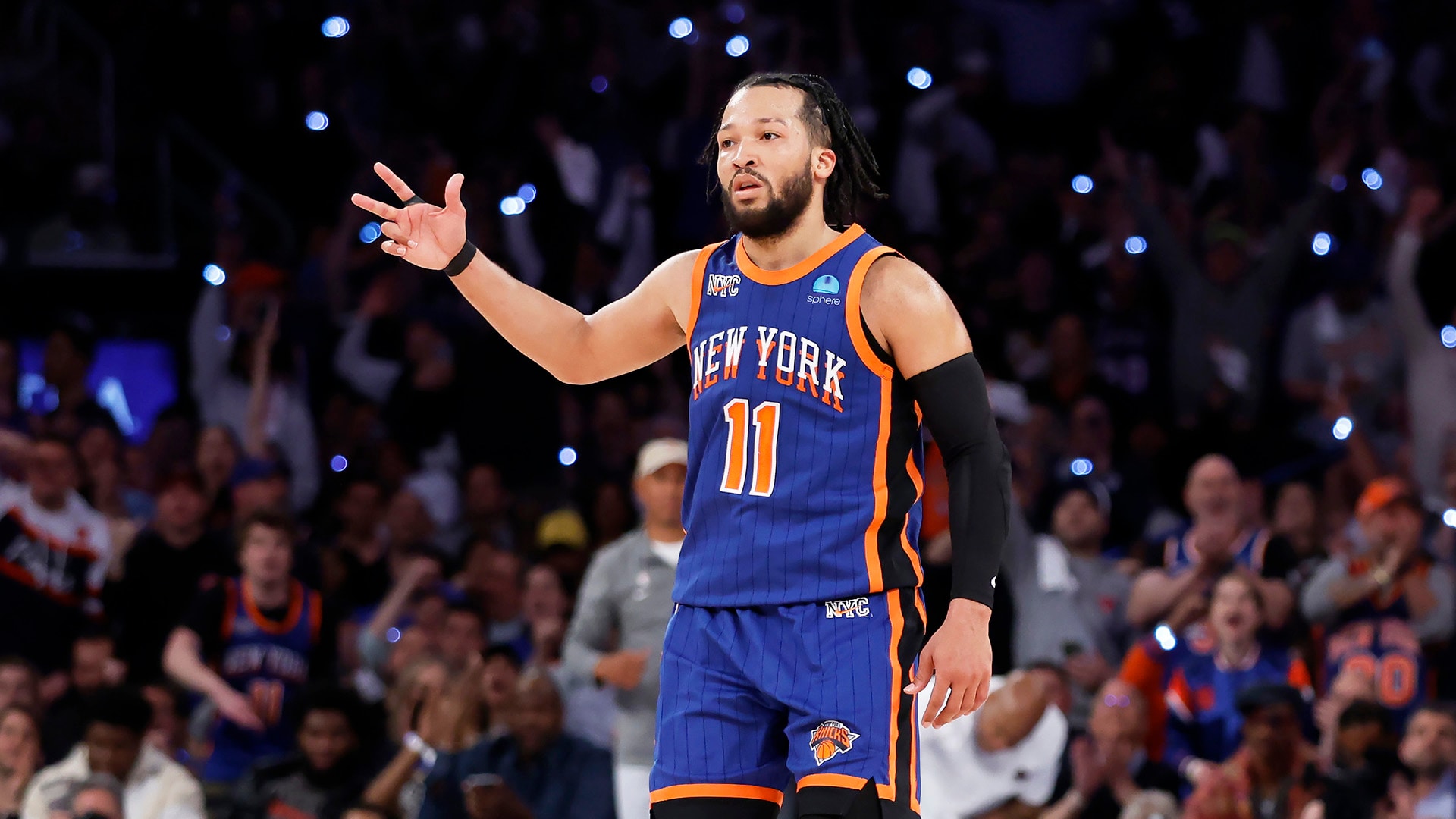
5 takeaways: Brunson's 44 propels Knicks to 3-2 lead
Jalen Brunson rediscovers his touch with 44 points and New York gets defensive to near East Finals.
Role players provide needed boost for Knicks in Game 5
From Isaiah Hartenstein's 17 rebounds to Alec Burks' 18 points off the bench, New York gets plenty from its supporting cast.
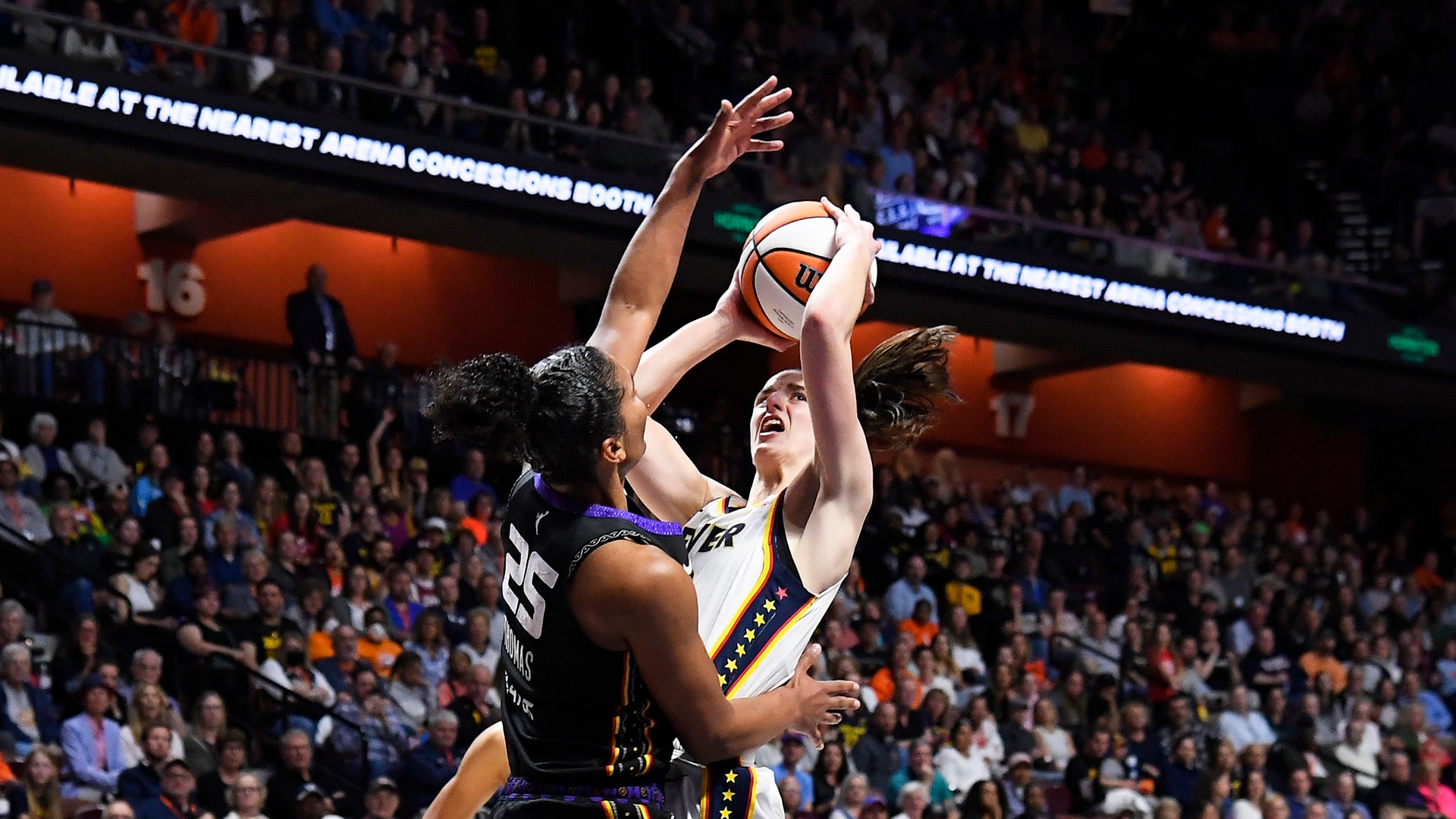
Fever's Clark drops team-high 20 points in WNBA debut
Rookie phenom Caitlin Clark makes her debut for Indiana and the Aces get their championship rings to open a new WNBA season.
NBA Mailbag: The role of 6th man during the postseason
20-year NBA veteran Jamal Crawford answers 20+ questions on the conference semifinals, playoff mindsets and the Draft lottery.
Next: 5 takeaways: Brunson's 44 propels Knicks to 3-2 lead
Next: Role players provide needed boost for Knicks in Game 5
Next: Jokic's gem puts Nuggets 1 win away from West Finals
Next: Fever's Clark drops team-high 20 points in WNBA debut
Next: NBA Mailbag: The role of 6th man during the postseason
Stories
Headlines
- 2024 NBA playoffs: Schedule and results
- 5 takeaways: Brunson-led Knicks go up 3-2
- Nuggets take 3-2 lead with 3rd straight win
- Nuggets pester Edwards into off night
- Jokic receives his 3rd Kia MVP trophy
- NBA Mailbag: Top playoff performer so far?
- Wolves' Conley (sore Achilles) out for Game 5
- NBA fines Timberwolves' Gobert $75,000
- Bronny ‘grateful’ to have NBA dream in reach
- Clark scores 20 points in WNBA debut
- Mitchell (calf strain) uncertain for Game 5
- Consensus Mock: Sarr emerges after Lottery
INSIDE THE NBA
AROUND THE NBA



Headlines
- 2024 NBA playoffs: Schedule and results
- 5 takeaways: Brunson-led Knicks go up 3-2
- Nuggets take 3-2 lead with 3rd straight win
- Nuggets pester Edwards into off night
- Jokic receives his 3rd Kia MVP trophy
- NBA Mailbag: Top playoff performer so far?
- Wolves' Conley (sore Achilles) out for Game 5
- NBA fines Timberwolves' Gobert $75,000
- Bronny ‘grateful’ to have NBA dream in reach
- Clark scores 20 points in WNBA debut
- Mitchell (calf strain) uncertain for Game 5
- Consensus Mock: Sarr emerges after Lottery


